
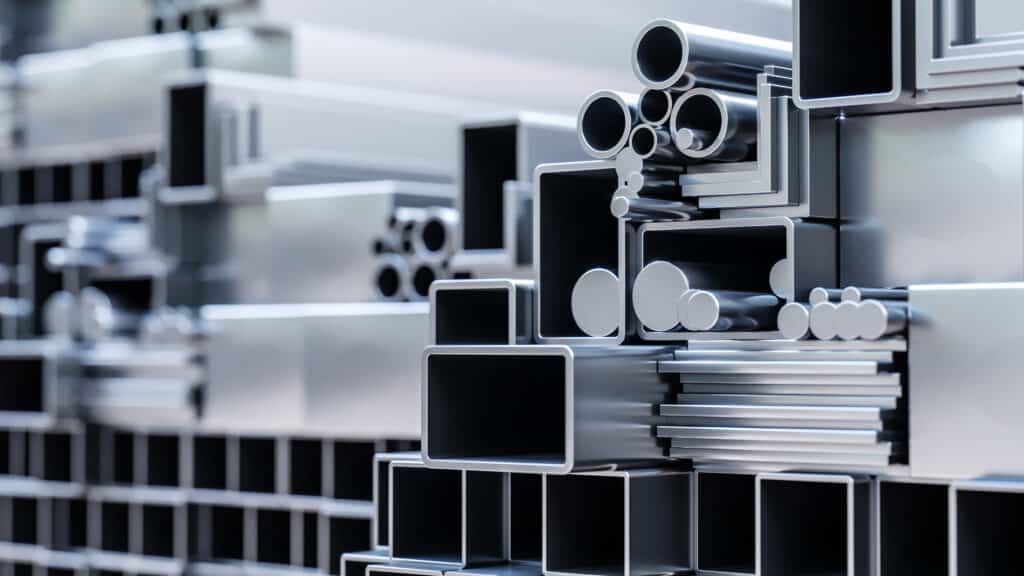
Investing in a fabricated metal part is about more than paying for cutting, bending, and welding. It is a decision about how that part will perform over time. The material selected at the start of a project affects strength, corrosion resistance, weight, cost, and overall longevity.
At D&M Metal, we often see material selection become one of the most important decisions in the fabrication process. It influences everything that follows.
Why Material Selection Matters in Fabrication
The right material helps a component function reliably in its intended environment. It reduces the risk of premature wear, distortion, or failure. A poor choice can lead to ongoing maintenance issues and unexpected downtime. Over time, those problems increase lifecycle costs.
Understanding how aluminum, stainless steel, and carbon steel behave in different applications helps align performance expectations with real-world demands.
Aluminum: Lightweight Strength and Corrosion Resistance
Aluminum is often selected when weight matters because it offers an excellent strength-to-weight ratio. This makes it a strong candidate for enclosures, frames, panels, and transportation components. It also forms a natural protective oxide layer that resists corrosion in many environments. It performs well in outdoor applications and in environments with moisture.
At the same time, aluminum is softer than many steels. Because of this, it is more susceptible to surface damage and deformation under heavy loads. Parts exposed to significant impact or constant stress require careful consideration during the design phase.
In many situations, aluminum performs exceptionally well where weight savings and corrosion resistance are priorities. But it may not be the best choice for high-wear structural components.
Carbon Steel: Strength and Cost Efficiency
Carbon steel remains one of the most widely used materials in metal fabrication for good reason. It offers impressive strength and durability at a relatively economical cost. For structural frames, heavy equipment components, brackets, and support systems, carbon steel provides the rigidity and load-bearing capability many projects require.
However, carbon steel is more vulnerable to corrosion when exposed to moisture, chemicals, or harsh outdoor conditions. Without proper coatings, plating, or painting, it can rust over time.
Long-term exposure to the elements makes protective finishes essential. In controlled indoor environments, or in applications where coatings can be properly maintained, carbon steel delivers reliable performance and excellent value.
Stainless Steel: Durability in Demanding Environments
Stainless steel occupies a unique space between these two materials. It combines strength with superior corrosion resistance, making it especially valuable in environments with sanitation, moisture, or chemical exposure. That is why food processing facilities, medical equipment, architectural elements, and marine applications rely on stainless steel for both durability and appearance.
Its performance comes from the chromium content in the alloy, which forms a passive layer that protects the surface from rust and degradation. This built-in protection helps stainless steel maintain structural integrity and a clean appearance over time with minimal maintenance. It also handles temperature fluctuations well and resists staining, further enhancing its long-term reliability.
Although stainless steel typically costs more upfront than carbon steel, it often delivers strong long-term value. Lower maintenance needs and longer service life can help offset the initial investment.
Key Factors to Consider When Choosing a Material
Choosing between these materials is not simply a matter of strength or price. It requires a clear understanding of the operating environment and performance expectations.
Environmental Exposure
A fabricated enclosure for indoor industrial equipment may function perfectly well in carbon steel with a durable powder coat finish. But a similar enclosure placed outdoors in a coastal environment may require stainless steel or treated aluminum to withstand salt exposure and humidity.
Load and Structural Requirements
Load requirements also play a major role in material selection. If a component must support significant weight or endure repetitive stress, tensile strength and fatigue resistance become critical factors in part performance. In these cases, carbon steel or certain grades of stainless steel may offer advantages.
If minimizing weight improves overall system efficiency, aluminum can help reduce strain on surrounding components while still delivering sufficient strength.
Thermal and Electrical Properties
Thermal and electrical properties can also influence decisions. Aluminum conducts heat and electricity more efficiently than steel, which may be beneficial in specific applications.
Stainless steel’s resistance to extreme temperatures can make it suitable for equipment that operates in high-heat environments. Evaluating these characteristics early in the design phase helps prevent costly redesigns later.
Fabrication and Manufacturing Considerations
Fabrication processes can also affect the choice of material. Some materials are easier to machine, weld, or form than others. Aluminum may require different welding techniques than carbon steel, and certain stainless steel grades demand careful handling to maintain corrosion resistance.
In many projects, secondary processes such as coating, plating, deburring, or heat treatment also influence material performance and longevity. Working with an experienced fabrication partner helps ensure the selected material meets performance goals and aligns with practical manufacturing considerations.
Partnering for Long-Term Performance
Ultimately, durability and performance are closely tied to thoughtful material selection. A well-designed part made from the wrong material may fail prematurely, while a properly chosen material can extend service life and improve reliability. Weighing factors such as environment, load, corrosion exposure, maintenance expectations, and budget allows manufacturers to make informed decisions that support long-term success.
At D&M Metal, we approach every project with these variables in mind. Our goal is to help customers choose materials that match both their functional requirements and their operational realities. Contact us today to discuss the right material for your next fabrication project.