
Metal fabrication doesn’t end with cutting, forming, and assembling. Many fabricated metal parts go through secondary processes to enhance their functionality, durability, and appearance. These additional steps make certain that the fabricated components meet precise specifications and industry standards before they are integrated into larger assemblies. Let’s go through some common secondary processes in metal fabrication and explain their importance.
What Are Secondary Processes in Metal Fabrication?
Secondary processes refer to finishing, treatment, and refinement techniques applied to fabricated metal parts after the primary fabrication steps are done. These processes enhance the strength, resistance to environmental factors, aesthetic appeal, and/or the performance of these parts.
Common Secondary Processes
Deburring and Edge Finishing
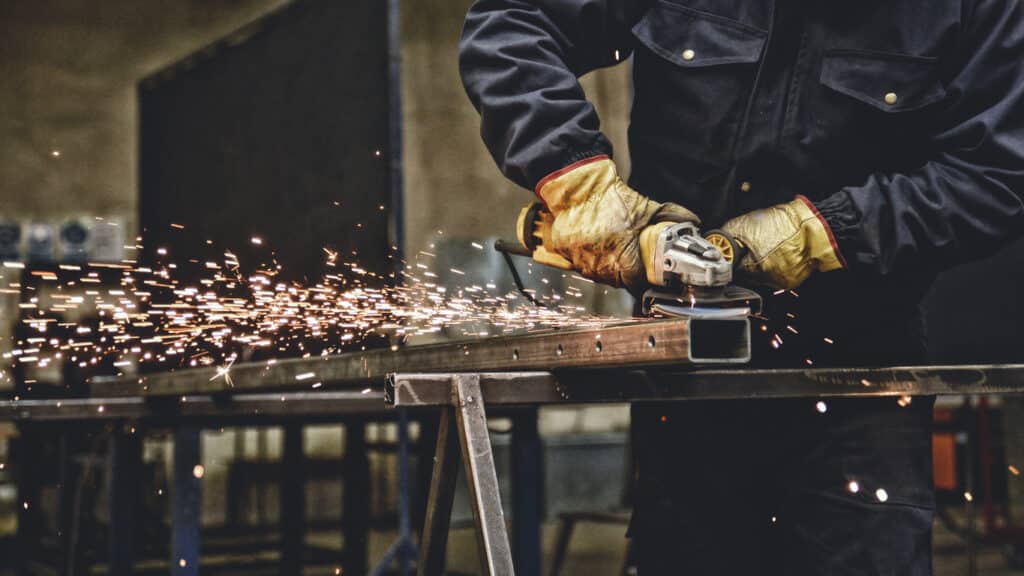
Deburring and edge finishing are processes that remove any sharp burrs or rough surfaces left after cutting and forming. This step involves grinding, tumbling, or abrasive brushing to create parts that are smooth and safe to handle.
Surface Treatment and Coatings
Surface finishing is often done to protect metal parts from corrosion and wear. These processes include e-coating, powder coating, anodizing, metal finishing, and others. Powder coating provides a durable and visually appealing finish, anodizing enhances the corrosion resistance of aluminum, and plating applies materials like zinc, nickel, or chrome for additional protection or visual appeal.
Heat Treatment
Heat treatment, including annealing, quenching, and tempering, alters metal properties to improve its strength, hardness, or flexibility, making these components more suitable for demanding applications.
Welding and Joining Refinements
Refinements in welding and joining strengthen metal joints, fill gaps, and improve the overall integrity of assembled components.
Assembly and Hardware Installation
Some fabricated metal components require additional hardware, such as fasteners, gaskets, or brackets, which are pre-assembled for better compatibility within the final product.
Polishing and Buffing
Polishing and buffing remove surface imperfections and increase reflectivity, which enhances both aesthetic appeal and functionality. This process is especially valuable in applications like food processing and medical devices, where smooth surfaces play a critical role.
Inspection and Quality Control
Finally, inspection and quality control involve dimensional checks, material testing, and visual assessments, helping fabricated components meet the standards of both the industry and the customer.
D+M Metal Products is ISO 9001:2015 certified. We rigorously test the components and parts fabricated at our facility for quality and durability. They meet predetermined specifications that are agreed upon by both customer and manufacturer.
Why These Processes Matter
Secondary processes enhance the performance, longevity, and visual appeal of metal components. These processes:
- Improve corrosion resistance and wear durability.
- Ensure precise tolerances and functional requirements.
- Provide added safety by removing sharp edges and defects.
- Help meet regulatory and industry compliance standards.
While primary fabrication processes shape and assemble metal components, secondary processes refine them for optimal performance and longevity. Whether it’s adding a protective coating, improving surface finish, or ensuring precise tolerances, these additional steps play a critical role in the quality of fabricated metal parts.
At D+M Metal, we provide our customers with a full array of metal fabrication and secondary processes services. We do welding, grinding and some metal finishing in house. If the parts need vibratory deburring, e-coating, plating, metal finishing, or powder coating, we will send them out to our trusted vendors so our customers receive a finished product without having to shop around and send them to multiple places. Call us today to talk about your next project.