
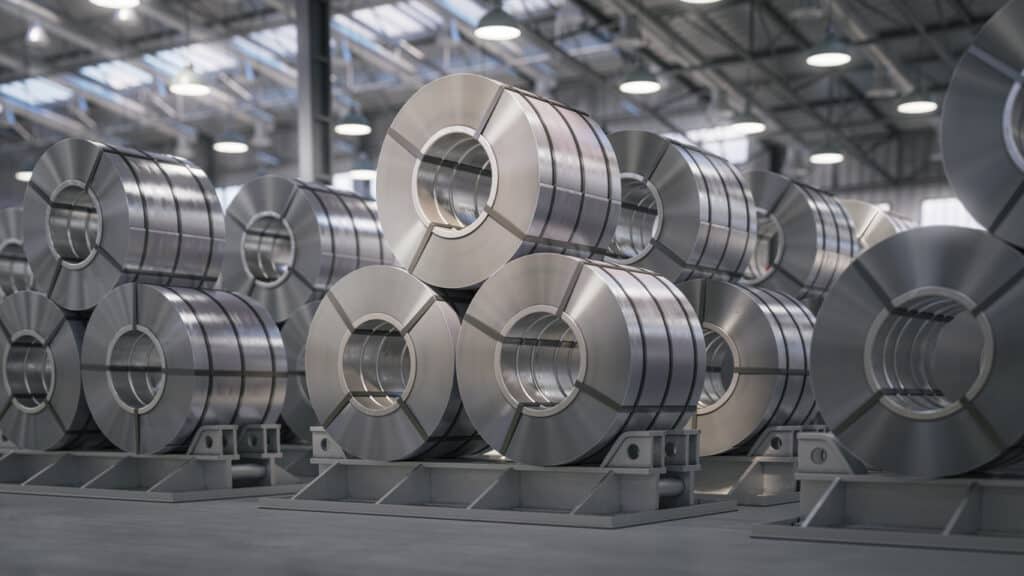
Sheet metal is one of the most versatile and widely used materials in metal fabrication. From creating custom brackets and enclosures to forming complex shapes for electronic cabinets and furniture, its adaptability makes it a cornerstone in many industries. At D+M Metal Products, we use sheet metal to produce high-quality parts that meet the strict requirements of our clients across various industries and sectors.
What is Sheet Metal?
Sheet metal refers to thin, flat pieces of metal that can be cut, bent, and shaped into different forms.
Sheet metal comes in various materials, each with its own strengths and ideal uses. Standard carbon steel is one of the most common choices because of its durability and cost-effectiveness. It’s widely used in structural applications like brackets, supports, and panels where strength and stability are required. Steel is a go-to material for many industrial and construction projects due to its balance of affordability and mechanical performance.
Stainless steel, on the other hand, excels in applications where corrosion resistance and aesthetic appeal are important. It’s often used in parts exposed to moisture or chemicals, such as enclosures for electronic equipment, medical devices, and food processing components.
Aluminum is valued for its lightweight and excellent corrosion resistance, making it perfect for parts where weight is a concern. Its ease of forming and resistance to environmental factors make it a popular choice in industries like aerospace, electronics, and consumer products.
Why is Sheet Metal So Versatile?
Sheet metal can be formed using different processes, including cutting, bending, stamping, and welding. This means it can be tailored to meet specific design requirements, whether that’s a lightweight frame for automotive interiors or a protective housing for laboratory equipment.
The variety of thicknesses available, also known as gauges, also means sheet metal can be lightweight enough for applications like pop-up displays or strong enough for heavy-duty OEM components. By choosing the right type of sheet metal, fabricators can align material properties with the performance demands of each specific project.
Common Applications in Fabrication
Electronic Cabinets and Enclosures: Sheet metal is ideal for creating protective enclosures for electronic equipment. It can be precisely cut and formed to house sensitive components while allowing for proper ventilation and access.
Office Furniture: Many parts in office furniture, like frames, brackets, and support structures, are made from sheet metal. Its strength and formability make it perfect for creating components that are both functional and aesthetically pleasing.
Conveyors and Industrial Equipment: Sheet metal parts like guards, panels, and brackets are critical for the safety and functionality of industrial systems and material handling. These parts can be produced consistently and to tight tolerances, ensuring smooth operation on the production floor.
OEM Components: For manufacturers producing larger systems, sheet metal can be used to create the small parts that hold everything together. Its adaptability allows it to meet diverse design and functionality needs.
Advantages of Using Sheet Metal
Customizable
With a wide range of forming and finishing processes, sheet metal can be tailored to match precise design requirements.
Durable
Depending on the material, sheet metal parts can resist wear, corrosion, and environmental factors, ensuring long service life.
Efficient
Modern fabrication techniques like laser cutting and CNC bending enable rapid production of complex parts, helping projects stay on schedule.
Cost-Effective
Sheet metal is relatively affordable compared to other fabrication methods, making it a cost-effective choice for producing small parts in large quantities.
Note: Over the past five years, sheet metal prices have experienced significant fluctuations due to various global factors. In 2020, the COVID-19 pandemic disrupted supply chains and caused an initial drop in demand, but as economies reopened and construction and manufacturing activities resumed, prices rebounded sharply.
From late 2021 into 2022, the market saw some stabilization, although rising energy costs and global supply chain constraints continued to impact prices. In 2023 and 2024, geopolitical tensions and trade policies—including tariffs on steel imports—introduced additional price volatility. More recently, in 2025, an oversupply in some sectors led to a softening of prices, though trade policy adjustments and evolving energy costs continue to add uncertainty to pricing forecasts.
For metal fabricators, this price volatility highlights the importance of cost management and strategic planning. Being proactive in forecasting and adapting to market fluctuations helps keep projects on budget and ensures that we as metal fabricators can deliver competitive pricing to our customers.
Tips for Working with Sheet Metal
When designing parts for sheet metal fabrication, consider factors like material selection, tolerances, and the complexity of shapes. Simpler designs with fewer bends and cutouts tend to be more cost-effective and easier to produce. Collaboration between designers and fabricators early in the process helps avoid costly adjustments later.
Sheet metal’s versatility makes it an essential material in the world of metal fabrication. Whether you’re producing small parts for material handling or components for medical equipment, sheet metal offers the flexibility, strength, and cost-effectiveness needed for a successful project. At D+M Metal Products, we leverage our expertise in sheet metal fabrication to deliver reliable, high-quality OEM components that integrate seamlessly into larger assemblies. If you’re looking to bring your design to life with precision and efficiency, contact us today to get started!