
The cutting process is perhaps the most recognized part of metal fabrication. Technologies like laser cutting, punching, and shearing are essential for transforming raw metal sheets into usable components. However, cutting is often just the first step in the fabrication process.
Many fabricated parts require additional operations before they are ready for assembly, finishing, and delivery. Understanding what happens after metal parts are cut can help manufacturers design better parts, improve production efficiency, and achieve higher-quality results.
The First Step: Cutting the Material
Cutting creates the basic shape of a part from a sheet of metal. Depending on the application, fabricators may use laser cutting, turret punching, or other methods to produce precise dimensions and features. Once the material has been cut, the part often moves through several additional manufacturing stages before it becomes a finished component.
Deburring and Edge Finishing
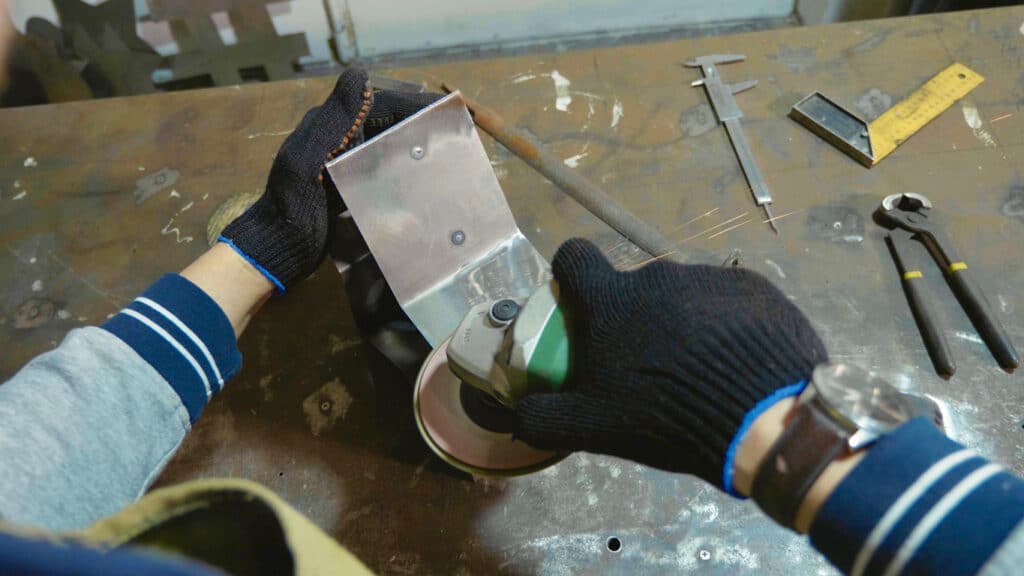
After cutting, some parts may have sharp edges, burrs, or rough surfaces that need to be addressed. Deburring removes these imperfections and helps:
- Improve safety during handling
- Enhance part appearance
- Prepare components for assembly
- Improve the quality of coatings or finishes
Depending on the material and application, deburring may be performed manually or through automated finishing processes.
Forming and Bending
Many fabricated parts begin as flat pieces of metal but must be shaped into their final form.
Press brakes and other forming equipment are used to create bends, flanges, channels, and other features. During this stage, fabricators carefully account for factors such as bend radius, material thickness, and dimensional tolerances.
Accurate forming is critical because even small variations can affect fit, function, and assembly.
Welding and Assembly
Some fabricated components consist of multiple parts that must be joined together.
Welding may be used to create strong, permanent connections between components. Depending on the design, additional assembly operations may include installing hardware, fastening subcomponents, or preparing assemblies for integration into larger products.
These steps transform individual cut parts into finished assemblies that are ready for use.
Hardware Installation
Many fabricated parts require hardware such as nuts, studs, standoffs, or threaded inserts. Installing hardware after cutting and forming allows parts to be assembled efficiently while maintaining strength and durability. Proper hardware placement is important for both functionality and ease of assembly.
Quality Inspection
Quality control is an important part of every fabrication project. Throughout the manufacturing process, parts may be inspected to verify dimensions, hole locations, bend angles, weld quality, and overall conformance to specifications. Consistent inspection helps ensure that finished parts meet customer requirements and perform as intended.
Finishing and Surface Treatments
Some metal parts require additional finishing processes before shipment. Depending on the application, finishing may include:
- Powder coating
- Painting
- Plating
- Cleaning
- Surface preparation
These treatments can improve corrosion resistance, durability, appearance, and overall product performance.
Packaging and Delivery
Once fabrication and inspection are complete, parts are packaged and prepared for shipment.
Proper packaging helps protect finished components from damage during transportation and ensures they arrive ready for assembly or use. For customers operating on production schedules, reliable delivery is just as important as manufacturing quality.
More Than Just Cutting
While cutting is a critical step in metal fabrication, it is rarely the final one. Processes like deburring, forming, welding, hardware installation, finishing, and quality inspection all contribute to producing a finished part that meets specifications and performs reliably.
At D+M Metal Products, we provide comprehensive fabrication services to help customers move from raw material to finished components with precision, consistency, and quality. Contact us to learn how our fabrication capabilities can support your next project from start to finish.