
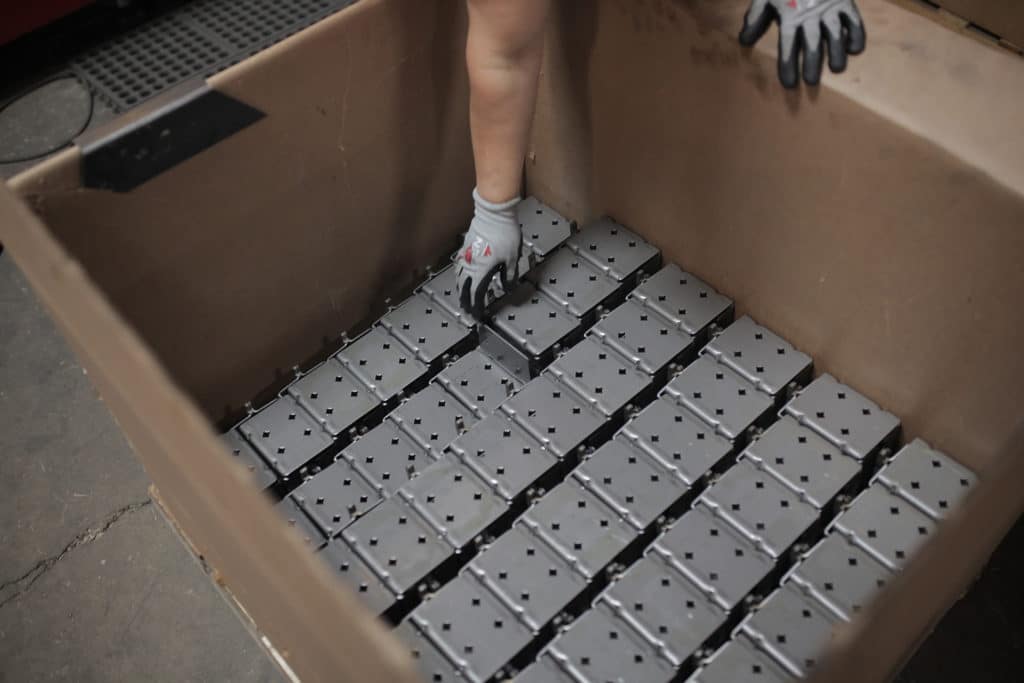
In metal fabrication, precision isn’t limited to measurements and tolerances. Visual quality standards also play a critical role in determining whether a fabricated part is acceptable, especially for components that will be visible in the final product or sold to end users. Scratches, weld spatter, uneven finishes, or minor dents may not affect functionality, but they can impact a customer’s perception of quality or a product’s compliance with contractual standards.
At D+M Metal Products, we take visual quality just as seriously as structural integrity. Here’s what you need to know about how visual standards work in the metal fabrication industry—and why they matter.
What Are Visual Quality Standards?
Visual quality standards refer to the cosmetic and aesthetic characteristics of a fabricated part. These include:
- Surface smoothness and finish
- Weld bead appearance and cleanup
- Edge condition (e.g., sharp vs. deburred)
- Cleanliness (e.g., presence of oils, residue, or dust)
- Paint or coating uniformity
- Absence of visible damage, rust, or deformation
Unlike dimensional tolerances, which can be measured with calipers or gauges, visual inspection involves subjective judgment. That’s why many manufacturers follow published industry standards or create customer-approved samples to define what is acceptable and what is not.
Functional vs. Cosmetic Surfaces
One of the most important distinctions in visual inspection is between functional surfaces and cosmetic (aesthetic) surfaces:
- Functional surfaces may include interior components, mounting points, or hidden brackets. Minor surface imperfections are generally acceptable if they don’t interfere with performance or assembly.
- Cosmetic surfaces are visible to the end user. These include things like faceplates, control panels, or exposed frames and typically require stricter visual standards, uniform finishes, and freedom from visible defects like scratches, blemishes, or tool marks.
At D+M, we work with customers to clearly define which surfaces fall into each category and tailor our inspection process accordingly.
Why Visual Standards Matter
Customer Perception and Brand Value
For OEMs producing high-end equipment, office furniture, or electronic cabinetry, visual defects can affect how customers perceive product quality, even if the part performs perfectly. Maintaining consistent cosmetic standards supports a professional appearance and brand reputation.
Downstream Manufacturing Compatibility
Painted or powder-coated parts must be free of residue, sharp edges, or weld spatter to ensure proper adhesion and finish quality. If surfaces are not cleaned or prepared properly, it can lead to peeling, bubbling, or corrosion over time.
Contract Compliance and Risk Management
Many OEM supply contracts include quality clauses that define acceptable appearance standards. Failing to meet them can result in rejected parts, rework costs, or delayed shipments—all of which disrupt the supply chain.
D+M Metal Products’ Approach to Visual Inspection
At D+M Metal Products, we integrate visual inspection into multiple stages of production:
- In-Process Inspection: Operators visually inspect parts during fabrication for burrs, weld defects, or tool marks.
- Pre-Coating Inspection: Surfaces are reviewed and prepped before painting or powder coating to prevent adhesion issues.
- Final Inspection: After all processes are complete, parts are inspected under consistent lighting conditions to verify they meet cosmetic expectations, especially on customer-facing surfaces.
We also maintain a reference library of approved finish samples for repeat parts, so visual quality can be assessed consistently across production runs.
Best Practices for Customers
To ensure alignment between your expectations and our production processes, we recommend:
- Defining visual requirements clearly in RFQs or prints
- Providing approved part samples or finish swatches
- Distinguishing between functional and cosmetic surfaces
- Requesting a First Article Inspection (FAI) if needed for high-volume or visible components
When expectations are aligned, the result is higher consistency, lower rework, and smoother communication from quote to delivery.
The Importance of Visual Quality Standards
Visual quality is more than skin deep. At D+M Metal Products, we combine technical precision with visual craftsmanship to deliver components that meet your exacting standards, both inside and out.
If you’d like to learn more about how we approach visual standards or request a sample inspection process, contact us today.