
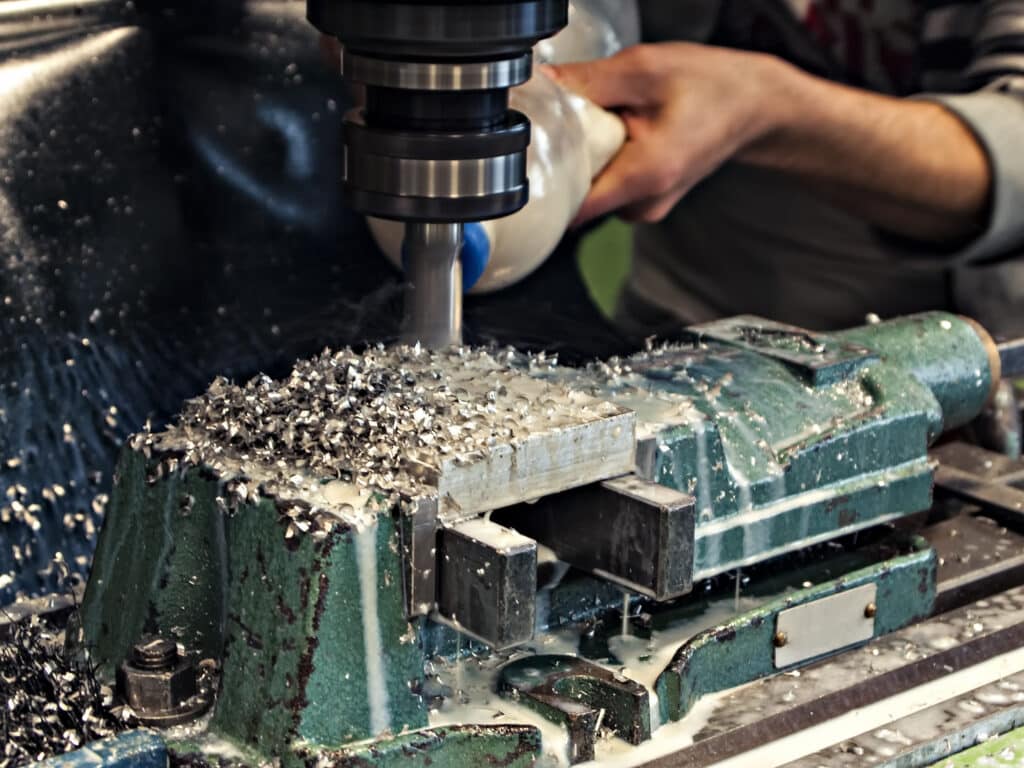
Waste is one of the biggest hidden cost drivers in metal fabrication. Scrap material, rework, and extra handling all add cost, often without anyone noticing right away. While some waste is unavoidable, much of it can be reduced with better planning and clearer decisions early on.
For OEMs and manufacturers, reducing waste isn’t just about sustainability. It directly impacts cost, lead times, and overall production efficiency. Understanding where waste comes from and how to control it can lead to more predictable outcomes and better-performing supply chains.
Common Sources of Waste in Metal Fabrication
Waste in fabrication takes several forms, not just scrap bins filled with offcuts.
- Material Scrap: Material scrap often appears as leftover sheet or plate that teams cannot reuse. Poor nesting is a frequent cause. Incorrect sizing and late design changes also contribute to unnecessary material loss.
- Rework and Rejects: When parts fail inspection, teams either rework them or scrap them entirely. Both outcomes increase labor requirements and extend machine time beyond the planned schedule.
- Overprocessing: Overprocessing occurs when teams add extra steps without improving part performance. Tolerances that are tighter than required or finishing work that does not affect function are often the drivers.
- Waiting and Handling: Excessive waiting or part movement increases handling risk and reduces throughput. Work-in-progress inventory often compounds the issue by adding delays between operations.
Identifying which of these issues occurs most often in your operation is the first step toward reducing waste.
Design Decisions That Reduce Scrap
Many waste issues originate during design. The following design decisions have the greatest impact.
- Design for Manufacturability: Designing parts with fabrication processes in mind makes consistent production easier. Simpler geometry reduces variation, and realistic tolerances improve yield.
- Standard Material Sizes: Using standard sheet and plate dimensions helps limit leftover material. It also simplifies purchasing and material planning.
- Tolerance Discipline: Tighter tolerances increase the likelihood of scrap. When function allows some flexibility, the process becomes more stable, and scrap rates tend to drop.
Early collaboration between engineers and fabricators helps catch these issues before they become costly problems.
Process Improvements That Minimize Waste
On the production side, process control plays a significant role in waste reduction. Several production practices directly influence scrap rates and rework levels.
- Optimized Nesting and Cutting: Modern nesting software helps maximize material usage by reducing unused space on sheets and plates. Even small improvements here can add up over high-volume runs.
- Consistent Machine Setup: Repeatable setups reduce variability and prevent errors that lead to scrap. Standardized fixtures and documented setup procedures are especially valuable for recurring jobs.
- Preventive Maintenance: Worn tools and inconsistent calibration often produce parts that drift out of spec. Regular maintenance helps avoid scrap before it happens.
- In-Process Inspection: Catching issues early prevents an entire batch from being affected. Simple checks during forming or welding can eliminate costly downstream rework.
Together, these practices help stabilize production and prevent small issues from turning into costly scrap or rework.
Managing Rework and Reuse
Not all scrap has to be waste. The following operational practices determine how effectively teams manage rework and reuse.
- Material Reuse Programs: Teams can often reuse offcuts and remnants for smaller parts or internal tooling if they properly track and store them.
- Root-Cause Analysis: When scrap does occur, identifying why it happened matters more than assigning blame. Patterns in failures often point to fixable process gaps.
- Clear Documentation: Up-to-date drawings and clear revision control reduce mistakes caused by outdated or unclear information.
Reducing rework improves both efficiency and morale, since teams spend less time fixing preventable errors.
Balancing Waste Reduction With Production Efficiency
It’s important to avoid chasing waste reduction at the expense of throughput. Extremely conservative processes or excessive inspections can slow production and increase costs in other ways.
Ultimately, the goal is to balance these two priorities:
- Reduce scrap without overcomplicating workflows
- Improve consistency without adding unnecessary steps
- Use data and feedback rather than assumptions
Manufacturers that treat waste reduction as an ongoing process rather than a one-time initiative tend to see the most durable gains.
A Practical Path Forward
Reducing waste in metal fabrication requires alignment between design, production, and supply chain partners. OEMs that engage fabricators early and specify parts realistically often see lower costs and more predictable results.
An experienced fabrication partner can help identify opportunities to reduce scrap and streamline production without sacrificing quality.
Ready to Reduce Waste and Improve Efficiency?
At D+M Metal Products, we work closely with OEMs to identify waste drivers and optimize fabrication processes from design through production. Our team helps reduce scrap, control costs, and deliver consistent, high-quality parts.
Contact us today to discuss your project and explore ways to improve efficiency and material utilization.
Frequently Asked Questions
1. What causes the most waste in metal fabrication?
Common causes include poor material nesting and overly tight tolerances. Rework due to dimensional errors and inefficient handling or scheduling also contributes.
2. How does part design affect waste?
Design choices influence material usage, process complexity, and scrap risk. Parts designed with manufacturability in mind are easier to produce consistently and with less waste.
3. How do fabricators decide whether scrap can be reused or must be discarded?
Fabricators evaluate material condition and traceability. Reuse is most practical when remnants meet material requirements and can be tracked without disrupting production.
4. Does reducing waste slow down production?
Not necessarily. When done correctly, waste reduction improves efficiency by reducing rework and unnecessary processing.
5. How can a fabricator help reduce waste?
Experienced fabricators can recommend design adjustments and optimize nesting and processes that reduce scrap while maintaining quality and throughput.