
The past several years have proven to be very challenging for the manufacturing sector. COVID-19 caused many initial problems with lockdowns and forced business closures, but even after these were resolved, supply-chain issues and workforce shortages persist. Let’s break down some of these problems and talk about how they affect manufacturers and metal fabricators.
Supply Chain Challenges
Currently the availability of raw materials and parts is not good. We’ve talked before about how market conditions affect the price of steel. These conditions are not always predictable. A bigger problem right now is that certain things are not available in the short term at all.
Metal fabricators cannot produce products without crucial inputs like steel and aluminum, but the lack of smaller parts like fasteners and extrusions also slows the process time down considerably. Sometimes substitutions can be made in consultation with the customer. At D+M Metal we work hard to make the impossible possible for our customers, but predicting the ETA of parts is complex in the current market environment.
Currently experts expect that in 2023 we will continue to see disruptions at every stage of the supply chain. There are many points in the chain that are experiencing or producing delays because of factors beyond the control of any one company. These include suppliers struggling to maintain capacity. Chinese manufacturers are again experiencing strict COVID lockdowns which will impact the supply of products, although many U.S. manufacturers are finding other sources for goods because of the continuing unpredictability of this market.
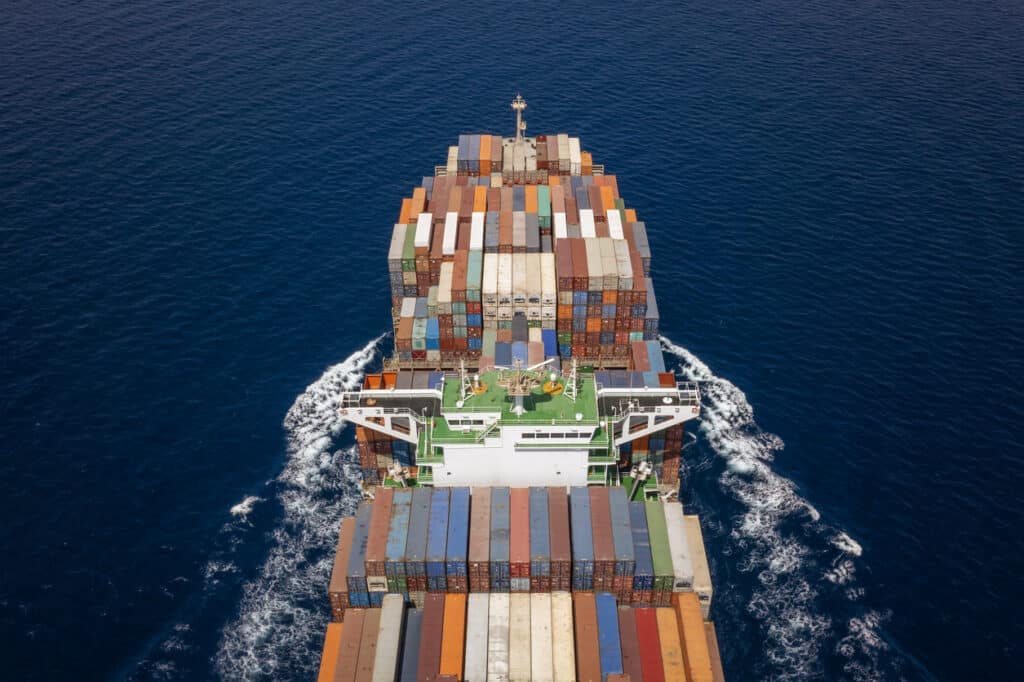
Once products are manufactured, additional delays can happen because of container shortages, shipping terminal and port backlogs, and labor shortages. Factor in problems with logistics, increasing fuel prices, and other inflationary pressures, and what you see is businesses trying to maintain normal output and performance while confronted with very abnormal circumstances.
Also, smaller manufacturers will experience more pressure because every company has to prioritize, and orders for larger companies and established customers will take precedence.
Future Supply Chain Trends
As a result of having to grapple with these uncertainties for nearly three years now, manufacturers have been taking steps to reduce their dependence on products made abroad and address weak spots in their own production and inventory strategies. While supply chain problems will likely continue in the short term, if we are aware of the problems, we can take advantage of opportunities when they appear.
D+M Metal Products has always placed a priority on our relationships with our customers, our suppliers, and our employees. The current situation is difficult for everyone in our industry, especially with the unavailability of parts like fasteners and extrusions. Our customer service department continues to work closely with our customers to make sure everyone is aware of how supply chain problems may affect them and arrange for the best possible outcomes.